Fatherhood and Men’s Mental Health: The Pressure No One Talks About
Important Disclaimer
This article is for education, awareness, and support only. It is not a substitute for professional or medical help. If you or someone you love is struggling, seeking qualified professional support is encouraged.
Introduction: The Part of Fatherhood No One Prepares You For

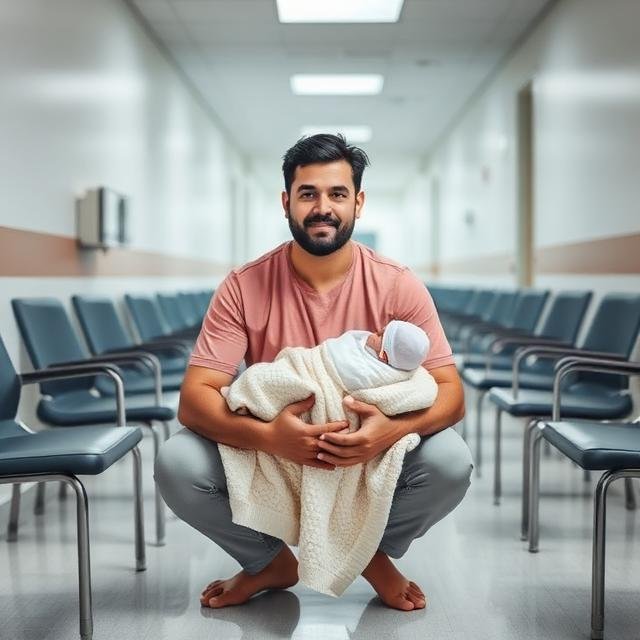
Most men remember the moment they became fathers.
Some remember holding a tiny hand for the first time.
Others remember the weight of responsibility settling in before the baby even arrived.
What very few men remember is anyone asking a simple question later on:
“How are you really doing?”
Fatherhood is often spoken about in terms of duty — provide, protect, guide.
But rarely is it spoken about in terms of emotional weight.
Across cultures, income levels, and countries, many fathers quietly carry pressure that no one sees:
- The pressure to be stable
- The pressure to provide consistently
- The pressure to be strong even when exhausted
- The pressure to never fall apart
And over time, that pressure doesn’t disappear.
It settles inside men — silently shaping their emotional wellbeing, relationships, and family life.
Fatherhood Changed — But Expect ations Didn’t
Modern fatherhood looks different than it did a generation ago.
Today’s fathers are expected to:
- Be emotionally present
- Be financially reliable
- Be involved parents
- Be supportive partners
- Be good role models
These expectations aren’t wrong — many are healthy and necessary.
But here’s the problem:
Men were never taught how to emotionally carry all of that at once.
In many cultures, men were raised to:
- Suppress emotion
- Push through stress
- Solve problems alone
- Avoid appearing weak
So when fatherhood adds emotional complexity on top of financial and social pressure, many men don’t talk — they internalize.
Why So Many Fathers Struggle in Silence
Silence doesn’t mean absence of care.
Often, it means absence of permission.
Many fathers don’t speak up because:
- They don’t want to burden their families
- They fear being seen as weak or failing
- They don’t have emotional language
- They believe “this is just how life is”
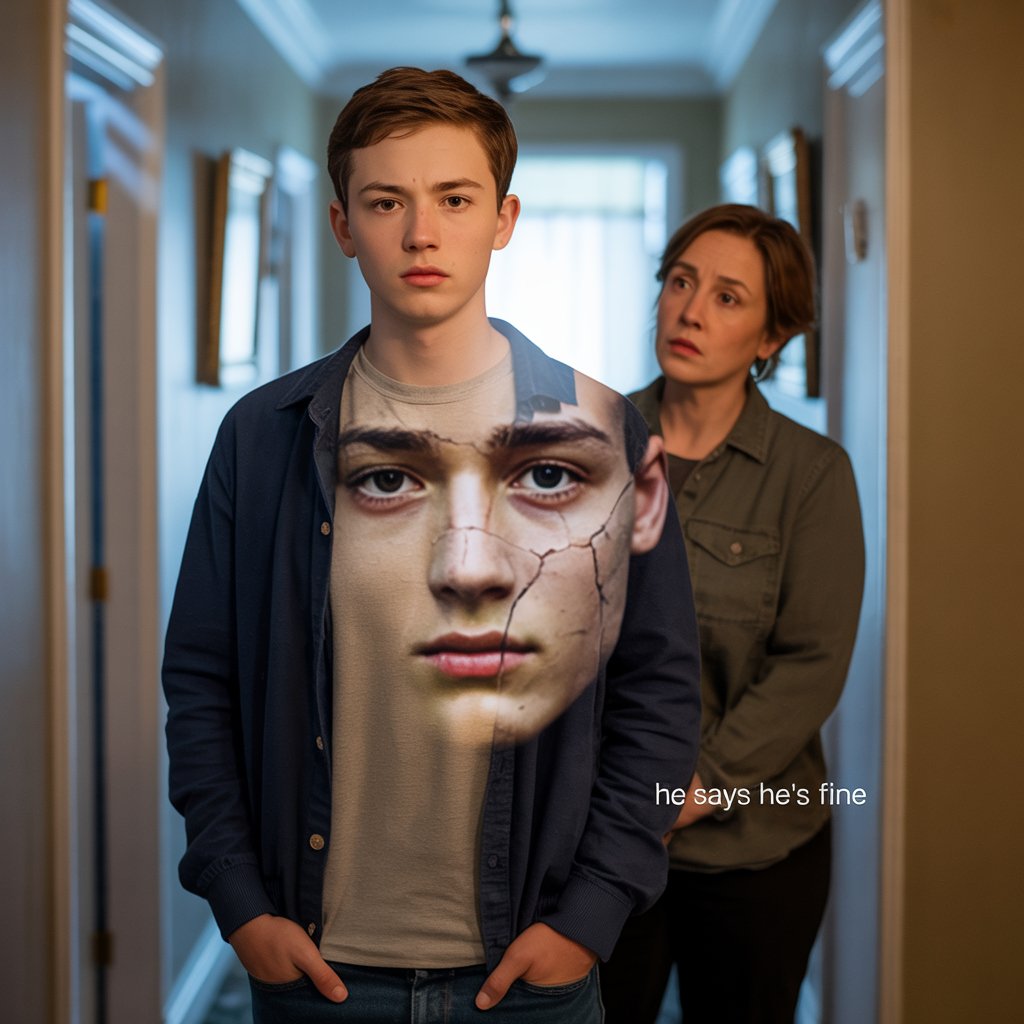
From the outside, things may look fine:
- Bills are paid
- Kids are fed
- Work continues
But internally, many men feel:
- Constant pressure
- Fear of not being enough
- Emotional fatigue
- Disconnection from themselves
Silence becomes the coping strategy.
Read more: Why So Many Fathers Struggle in Silence
How Pressure Shows Up in Fathers (Without Words)

When men struggle emotionally, it rarely looks like sadness.
More often, it looks like:
- Irritability over small things
- Emotional withdrawal at home
- Working longer hours unnecessarily
- Escaping into screens or isolation
- Losing patience quickly
- Feeling numb instead of emotional
These are not character flaws.
They are unspoken stress responses.
Many fathers don’t realize they’re overwhelmed until the strain starts affecting their marriage, parenting, or health.
The Impact on Marriage and Partnership
When a father carries emotional weight alone, it eventually reaches the relationship.
Partners may experience:
- Reduced emotional connection
- Less communication
- Feeling shut out
- A sense of emotional loneliness
Often, couples are not fighting — they’re simply drifting.
The father may feel misunderstood.
The partner may feel unseen.
Neither side planned for distance. It grew quietly.
Children Feel What Fathers Don’t Say
Children are emotionally observant, even when they don’t have words.
When a father is emotionally distant, children may:
- Feel hesitant to approach him
- Try to “behave” to avoid stress
- Sense tension without understanding it
- Learn emotional suppression by example
This is not about blaming fathers.
It’s about recognizing influence.
Children learn emotional patterns not from lectures, but from presence, tone, and availability.
Why Emotional Availability Matters More Than Perfection

Healthy fatherhood isn’t about having everything figured out.
It’s about:
- Being emotionally reachable
- Showing that feelings are normal
- Apologizing when wrong
- Growing openly
A father who says,
“Today was hard, but I’m working through it,”
teaches more strength than one who pretends nothing affects him.
Read more: How Pressure Shows Up in Fathers (Without Words)
Cultural Messages That Make It Harder for Men
Across the world, men receive similar messages:
- “Man up”
- “Be strong”
- “Don’t complain”
- “Handle your business”
While responsibility matters, emotional silence has consequences.
Strength without emotional awareness becomes:
- Isolation
- Burnout
- Disconnection
- Quiet resentment
Men don’t need less responsibility.
They need healthier ways to carry it.
What Actually Helps Fathers Thrive Emotionally
Supporting men’s mental and emotional wellbeing doesn’t weaken families — it strengthens them.
What helps:
- Safe spaces for honest male conversations
- Permission to speak without judgment
- Learning emotional language slowly
- Positive male role models
- Supportive partnerships, not pressure-filled ones
Growth doesn’t require dramatic change.
It starts with small honesty.
Read more: What Actually Helps Fathers Thrive Emotionally
A Note to Fathers Reading This
If you’ve ever felt:
- Tired beyond sleep
- Heavy beyond explanation
- Disconnected without knowing why
You are not broken.
You are carrying more than you were taught how to carry.
And learning to talk, reflect, and seek support is not failure — it’s leadership.
A Note to Partners and Families
If you love a father who seems distant or withdrawn, remember:
- Silence is often protection, not rejection
- Patience matters more than pressure
- Emotional safety invites openness
Healing doesn’t come from confrontation alone — it comes from connection.
Call to Action (CTA)
Healthy families begin with emotionally supported fathers.
Explore more resources, reflections, and conversations on fatherhood, masculinity, and family wellbeing at: 👉 https://www.safehavennurtures.com
Closing Reflection
Fatherhood was never meant to be carried alone.
When fathers are supported emotionally, families don’t just survive — they flourish.
And it starts by allowing men to be human, not just providers.