

Introduction
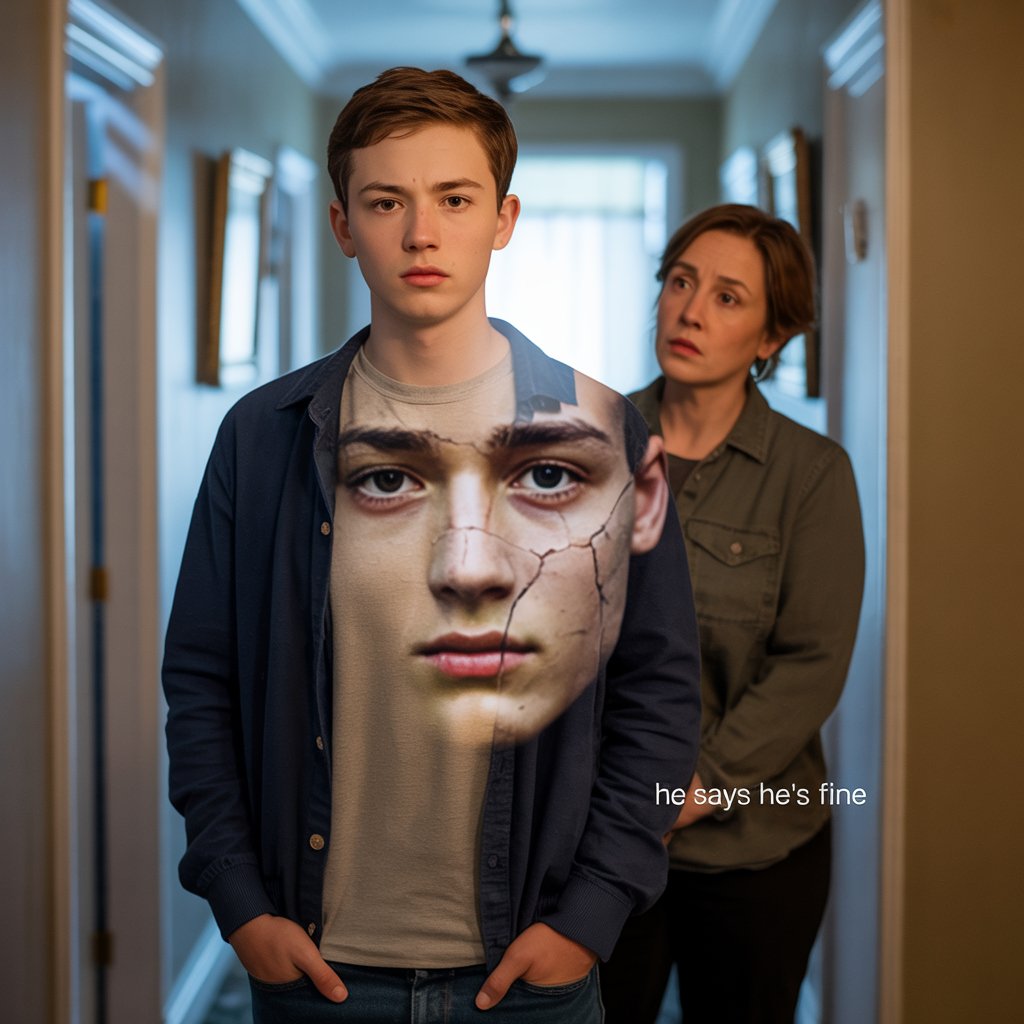
I carried an invisible pain that so many men carry, the wound left by a father who was absent, harsh or emotionally distant. That pain may be concealed by achievement, laughter or silence, but in the shadows it outlines identity, relationships and faith. Father wounds, however, the good news is that they can heal. Whether your father is gone, emotionally absent or just thoroughly human, healing hope is available.
1. What Are Father Wounds?
A father wound in a man is a deep, debilitating pain that impacts every area of his life. It often causes damage to future generations of sons as well. Nor is it always about a physical abandonment. A father can reside under the same roof and still create a void in his son or daughter’s heart.
- Abandonment. Divorce, death or just leaving can lead us to fearing being rejected and the lifelong journey of feeling wanted.
- Physical, verbal or spiritual assault crushes a child’s value.
- Fathers with the best of intentions wound by failing to be affectionate, affirming, and spending time with their kids.
Boys who did not receive regular love as they grew up can end up with low self-esteem, perfectionism and a lifelong need for approval. Left untreated, trauma often manifests as anger, addiction or relationship difficulties down the road. Acknowledging the wound is the first step to healing it.
2. Father Wounds Explained
2.1 Physical Absence
Most remain, but what if, by divorce, death or abandon-ment there is a void? Sons frequently ask themselves, ‘What was so wrong with me that he left?’ It’s an unarticulated question that fuels insecurity and overachievement.
2.2 Emotional Distance
Some fathers are even there in the flesh, but their presence is emotionally cold, critical or aloof. Their children are taught to hide how they feel and to avoid being vulnerable.
2.3 Abuse or Neglect
Through verbal abuse, physical violence or spiritual control, a child’s vision of love and trust is wounded.
2.4 Performance-Based Love
When affection is based on performance at school, in sports, and in terms of being “good” the child relates its worth to what it can do. They grow up into men who drive themselves relentlessly but who never feel “enough.”
3. The Way Father Wounds Shape a Man’s Life
3.1 Identity and Self-Worth
Dad is missing or harsh lays out the message, “You don’t count for much. So many men simply cover up pain with bottled up emotions, or seek success to prove worth.
3.2 Relationships and Marriage
It’s issues of trust, fear of intimacy or an insatiable need for approval that frequently derail love. For some it’s an aversion to commitment; for others, too strong a grip. Healing brings healthier partnership and even marital healing (see tips for marital healing).
3.3 Parenting Patterns
Hurting and unhealed dads can make identical mistakes as their dads (emotional distance, harsh discipline) or overcorrect with too much smothery attention.
3.4 Faith and View of God
So many project the problems of a father on God, and it’s hard to believe in a loving Father.
3.5 Work and Purpose
Some numb pain through workaholism; others float aimlessly. Whichever way, the wound makes choices until it is confronted.
4. Types of Toxic Relationships Originating from Father Wound
- Controlling Relationships Rooted in Seeking Approval. They need to be people pleasers which makes for controlling partners.
- Abusive Relationship Cycle. Early trauma normalizes mistreatment.
- Codependency Patterns. Love is a sensation, either saving or being saved.
- Narcissistic Relationships. Self-centered partners are drawn by a desperate desire to be validated at any cost.
- Emotional Unavailability and Intimacy Avoidance. Fear of rejections means connections stay at a surface level.
- Perfectionism and Relationship Burnout. The effort to “earn” love depletes the couple.
- Repetition of Neglect. Men can pick rejecting partners who represent their father’s missing act.
- Attachment Disorders. Early scars lead to anxious or avoidant attachment styles.
These patterns can also intersect with toxic masculinity (read more about toxic masculinity), in which unhealthy ideas about manhood drive control and emotional isolation.
5. Signs You May Have a Father Wound
- Persistent anger or resentment toward men or authority figures
- Trouble expressing feelings or asking for help
- Insecurity of the failure and constant need for validation
- Trouble maintaining healthy relationships
- Not feeling deserving of love or success
Recognizing these signs isn’t weakness — it’s a door to change.
6. Healing as a Spiritual Endeavour
Faith is a formidable avenue to recovery. The Bible describes God as “a father to the fatherless” (Psalm 68:5) and assures us, “I will be a Father to you” (2 Corinthians 6:18). Prayer, meditating on the love of God and a supportive community can help to displace lies of rejection with truth and place. Experiencing God as the loving Father has rewritten many men’s identity and liberated them, they say.
7. How to Start Healing Father Wounds
7.1 Acknowledge the Pain
Identify the wound and its consequence. Journaling about or sharing with a trusted friend brings hidden pain to the surface.
7.2 Seek Safe Support
Become part of a men’s group, mentorship relationship or counseling experience. Healing rarely happens in isolation.
7.3 Forgive and Release
Forgiveness isn’t to excuse harm, but rather to stop carrying it.
7.4 Rebuild Your Identity
Tether your worth to God’s love, not performance or other people’s opinions.
7.5 Practice Healthy Masculinity
Practice establishing limits and expressing feelings, and giving love without weakness. For a further exploration, check out this guide on masculine wounds.
7.6 Give What You Missed
Mentor a young guy or be the dad you wish you’d had. Being helpful to others makes your own recovery stronger.
8. Lessons for Fathers and Mothers
The cycle must begin to be broken at home.
Attend to your kids emotionally: listening, validating, being loving.
Don’t equate yourself or anyone else with their outputs.
Single mothers of boys, look for trustworthy male mentors to teach healthy masculinity.
Safety tips for children in conflict help avoid further wounds.
9. True Stories of Healing Words
Story 1 – Africa
Joseph grew up in Nairobi, never knowing his father. But he forgave the dad who never came back, through a group at church for men and counseling. He now mentors boys not much older than 13, providing a framework he never had.
Story 2 – United States
Marcus was raised by his dad who lived at home but never told him “I love you.” It was therapy and religious faith, he said, that helped Marcus confront the buried anger. Now he teaches other fathers emotional literacy.
Story 3 – Europe
Lars’s father died of addiction. Support groups and prayer worked the bitter man into a merciful one, and he now leads a recovery program for men.
Each journey demonstrates that healing is possible, even without a father’s apology.
11. A prompt and a cheer on:
You are not your father’s failure. Healing is a process over the course of a lifetime, but every single step brings freedom and peace. Tell your story, find a support group or connect with a mentor. Your bravery in healing can impact generations.
12. Frequently Asked Questions
Can a father wound heal if my dad never says he’s sorry?
Yes. Healing is a result of the choice you make to deal with pain, not his.
How do I forgive an abusive dad?
Forgiveness is giving up the right to get even, not saying that something bad is okay. Therapy and prayer can help.
Do we need therapy, or can faith do the job by itself?
Faith as a ballast is strong, but professional counseling equips us with tools to process deep trauma.
How do daughters suffer when they have father wounds?
They might inspire trust issues and low self-worth, but the process of healing remains the same.
But what if I don’t remember my father very well?
Not being there is a wound, too. Still, the process of dealing with feelings of loss matters.
How can sons be helped by single mothers?
You need to give love and limits, and also good male role models.”
Can mentoring substitute for an absent father?
A healthy mentor can provide missing advice and words of affirmation.
How can I begin talking to my dad?
Start softly, express without blame and draw firm boundaries.
What role does community play?
Locating support groups and faith communities yields accountability and encouragement.
How can I be a better father as I continue to work on healing?
Remain honest with your children, ask for help and model growth in the moment.
Final Word
The effect of an absent father is real, but it’s not the end. You can rewrite the story — for yourself, your relationships and the generations that follow — by naming the hurt, seeking help and embracing God’s love.

2 thoughts on “Healing Father Wounds: Break Free and Find Peace”