Your Son Is Struggling But Hiding It (10 Warning Signs)

Let me start with a question.
Have you ever looked at your son and said to yourself:
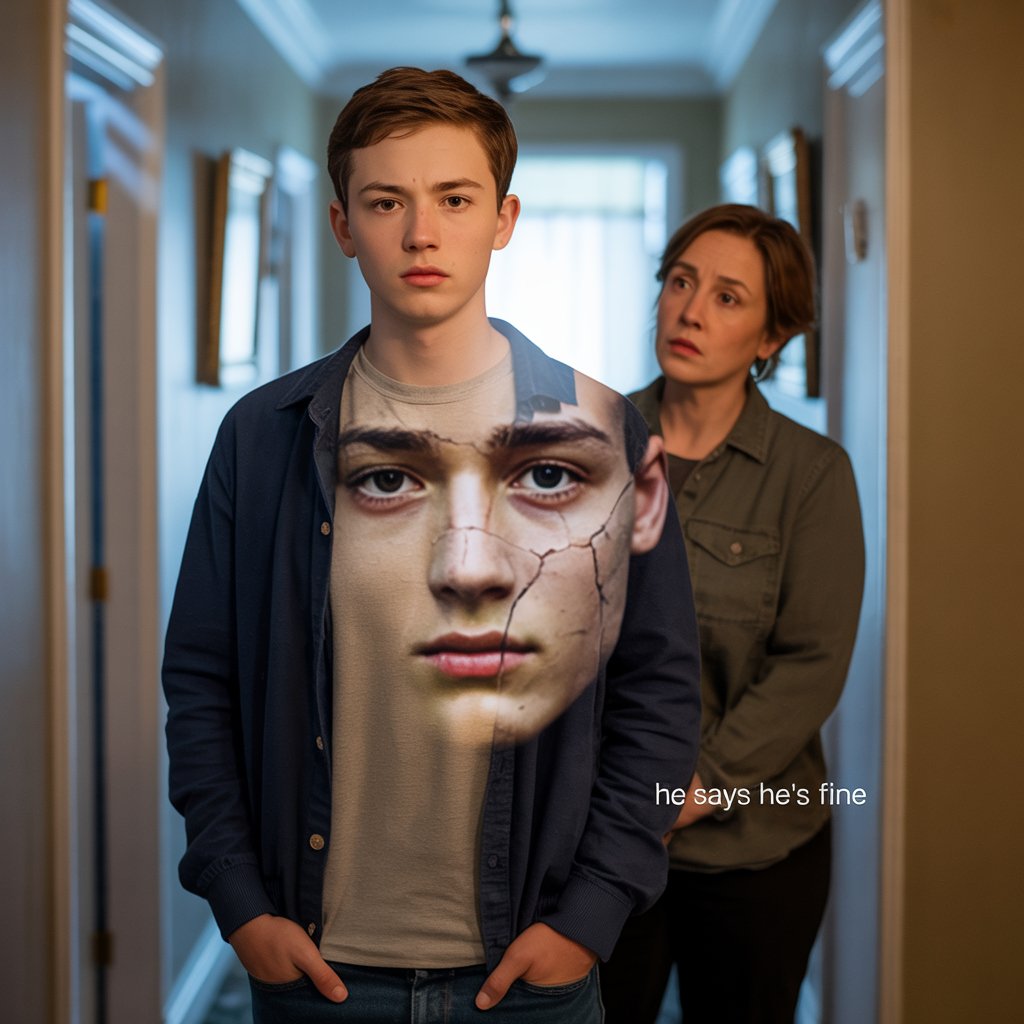
“He says he’s OK … but something feels funny.”
Not dramatic.
Not obvious.
Just… off. unpredictable
He’s still going to school.
Still eating.
Still playing games.
Still saying, “I’m good.”
But your spirit knows something shifted.
And here’s the truth most parents don’t realize:
Boys rarely announce their pain.
They perform strength.
In my years working with fathers, mothers, schools, and mentoring boys through Safe Haven Nurtures, I’ve seen this pattern repeatedly.
A boy doesn’t always cry when he’s drowning.
Sometimes he gets louder.
Sometimes quieter.
Sometimes “busier.”
Sometimes colder.
And if we don’t learn the subtle signs?
We miss him.
This article will help you recognize what struggle looks like when it’s hiding in plain sight.
Why Boys Hide Their Struggles

Before we talk signs, let’s talk why.
From a young age, boys absorb silent messages:
- “Man up.”
- “Stop crying.”
- “Be strong.”
- “Don’t be soft.”
- “Why don’t you act like the man of the house?”
Sometimes loving households themselves accidentally perpetuate the need to suppress emotions.
So what happens?
By the time they’re a teenager, many boys have learned to hide their feelings.
Studies of adolescent psychology have repeatedly shown that boys are less likely to speak up about emotional pain than girls, placing them at the same or greater risk for:
- Depression masked as irritability
- Risk-taking behaviors
- Substance experimentation
- Suicide (which tragically affects males at higher rates globally)
They don’t always say:
“I’m overwhelmed.”
They show:
- Anger
- Withdrawal
- Overconfidence
- Silence
And sometimes, nothing obvious at all.
Read more: https://www.safehavennurtures.com/parenting-through-the-stages
1. Sudden Irritability or Unusual Anger

Not normal teenage attitude.
I’m talking about:
- Quick temper over small things
- Snapping at siblings
- Defensive reactions to simple questions
- Punching walls, slamming doors, throwing things
One father once told me:
“He used to laugh easily. Now everything annoys him.”
Anger in boys is often a secondary emotion.
Behind anger is usually:
- Fear
- Shame
- Embarrassment
- Inadequacy
- Rejection
When a boy feels powerless, anger makes him feel strong again.
Ask yourself:
- Has his frustration level dropped?
- Does he react bigger than the situation requires?
That’s often a signal.
2. Emotional Withdrawal and Isolation
This one is subtle.
He’s in the house… but not present.
- Door always closed
- Headphones constantly on
- Short responses
- Avoiding family conversations
- Less eye contact
Isolation isn’t always independence.
Sometimes it’s protection.
A 15-year-old once told me privately:
“If I stay quiet, no one asks questions.”
That hit me.
Silence becomes armor.
And here’s the tricky part — boys can withdraw and still function academically. Parents think:
“He’s doing fine.”
But emotionally?
He’s shrinking.
3. Changes in Sleep Patterns

Sleep disruption is one of the earliest signs of emotional distress.
Look for:
- Staying up extremely late
- Difficulty waking up
- Sleeping excessively
- Falling asleep in class
- Night restlessness
Teenage boys often escape into:
- Gaming
- Social media
- YouTube
- Late-night scrolling
Sometimes it’s habit.
Sometimes it’s avoidance.
Ask gently:
“Are you sleeping well these days?”
The answer matters.
4. Loss of Interest in What He Once Loved
This one hurts to watch.
The football-loving boy stops playing.
The creative one stops drawing.
The social one stops calling friends.
When passion fades suddenly, pay attention.
It may signal:
- Low motivation linked to depression
- Social rejection
- Identity confusion
- Internal shame
Boys rarely say:
“I feel empty.”
But they stop caring.
Read more: https://safehavennurtures.com/why-boys-without-purpose-take-risks/
5. Overcompensation Through “Hyper-Masculinity”
Some boys don’t shrink when struggling.
They inflate.
Suddenly:
- Obsession with dominance
- Excessive gym focus
- Mocking vulnerability
- Risky bravado
- Disrespectful “alpha” talk
It’s armor.
Behind extreme toughness is often insecurity.
The louder the performance, the deeper the fear.
6. Academic Drop or Sudden Over achievement
Struggle can look like failure.
But it can also look like pressure.
Two warning extremes:
- Sudden drop in grades
- Sudden obsessive perfectionism
A boy who fears disappointing you may silently burn out trying to prove worth.
Have his teachers noticed changes?
Don’t wait for report cards.
7. Secretive Behavior
Privacy is normal.
Secrecy is different.
- Hiding phone quickly
- New passwords everywhere
- Unusual defensiveness
- New friend groups he won’t explain
Sometimes this signals:
- Exposure to harmful content
- Online bullying
- Peer pressure
- Risk behaviors
Approach with curiosity, not interrogation.
8. Physical Complaints With No Clear Cause
Emotional distress often shows up in the body.
- Frequent headaches
- Stomach aches
- Muscle tension
- Sudden fatigue
If doctors find no medical cause, consider emotional stress.
Boys often somaticize pain.
Their body speaks what their mouth won’t.
9. Increased Risk-Taking
When boys feel numb, they seek intensity.
Watch for:
- Dangerous stunts
- Substance experimentation
- Reckless driving
- Pornography addiction
- Sexual acting out
Risk gives adrenaline.
Adrenaline temporarily masks emotional pain.
But it’s a dangerous anesthetic.
Read more: https://safehavennurtures.com/why-boys-without-purpose-take-risks/
10. Statements That Sound “Joking” But Aren’t
Pay attention to phrases like:
- “It doesn’t matter.”
- “No one cares.”
- “I’m just useless.”
- “I don’t care if something happens.”
Sometimes said casually.
But not casually meant.
Don’t dismiss dark humor.
Probe gently:
“What made you say that?”
Why Parents Miss the Signs
Because boys don’t collapse dramatically.
They adapt.
They function.
They distract.
They mask.
And many parents are overwhelmed too — bills, work, stress.
No blame here.
Just awareness.
Read more: https://safehavennurtures.com/why-many-marriages-struggle-today-hidden-causes/
What To Do If You Notice These Signs
This is where it matters most.
1. Don’t Panic — Connect
Instead of:
“What’s wrong with you?”
Try:
“I’ve noticed you seem a little different lately. I care about you. I’m here.”
Observation without accusation.
2. Create Low-Pressure Conversations
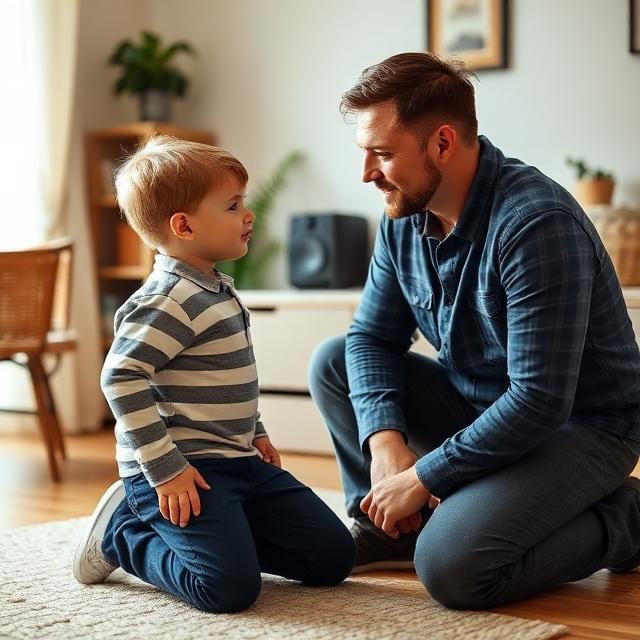
Boys open up side-by-side, not face-to-face.
Drive together.
Walk together.
Fix something together.
Talk while doing.
Silence becomes safer.
3. Normalize Emotional Language
Say things like:
“Everyone struggles sometimes.”
“Feeling overwhelmed doesn’t make you weak.”
Model vulnerability.
Share your own growth stories appropriately.
4. Strengthen Father Presence

Research consistently shows engaged fathers significantly reduce risk of depression, delinquency, and substance abuse.
If father is present:
Increase connection.
If absent:
Find a mentor.
Male presence matters.
(See also:
https://safehavennurtures.com/discipline-that-breaks-boys-vs-builds-boys/
5. Seek Professional Help When Needed
If you notice:
- Talk of self-harm
- Extreme withdrawal
- Severe behavior changes
Consult:
- School counselor
- Child psychologist
- Trusted pastoral counselor
Early intervention prevents crisis.
A Quiet Story That Stays With Me
A mother once came to me worried her 16-year-old was “lazy.”
He had stopped playing football.
Grades dipped.
Stayed in his room.
When we finally spoke privately, he whispered:
“I feel like I disappoint everyone.”
That’s it.
Not rebellion.
Not laziness.
Shame.
He didn’t need punishment.
He needed reassurance, guidance, and structured support.
Today he’s thriving.
But only because someone noticed early.
The Deeper Question
When your son says “I’m fine”…
Do you feel peace?
Or do you feel distance?
Trust your intuition.
You carried him.
You raised him.
You know his baseline.
Something in you notices before report cards do.
Final Thoughts: Don’t Wait for a Breakdown
Boys don’t always explode.
Sometimes they erode.
Slowly.
Quietly.
Internally.
Your job isn’t to control him.
It’s to stay connected long enough that he doesn’t have to struggle alone.
Because here’s the truth:
A boy who feels safe at home
won’t need to hide his pain.
Call to Action
If this article spoke to you:
✔ Share it with another parent.
✔ Start one gentle conversation tonight.
✔ Join our Safe Haven Nurtures parenting community.
We are building safe spaces for real conversations about raising emotionally healthy boys.
Visit:
👉 www.safehavennurtures.com
Let’s not miss our sons while they’re still under our roof.