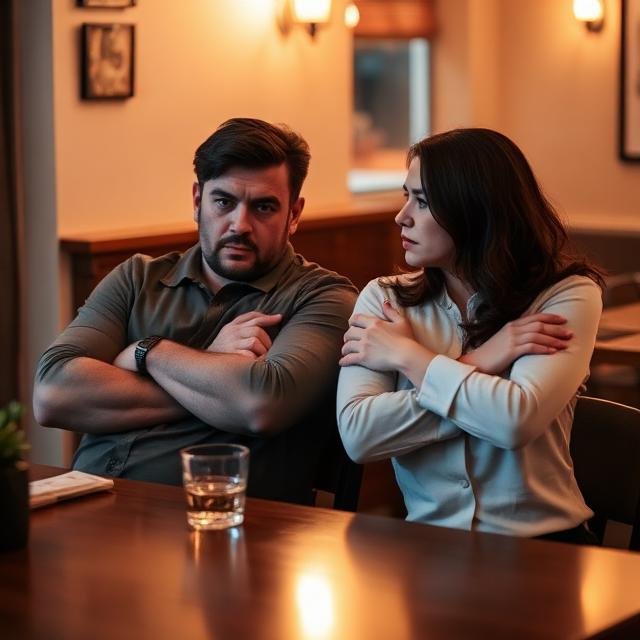
Victim Mentality in Marriage: Causes, Signs, and Healing
Introduction: When the marriage Altar Becomes a Courtroom

May I very kindly ask you something?
You ever been in a pacing fight with your mate and no matter what you said, somehow, you always became the one who was simply not as “good” (or worse) —and they were always the poor wounded thing?
You attempted to make your case.
You owned your mistake.
You even apologized.
And still, the conversation circled back to how much they’ve suffered.
That’s not just conflict.
That’s not just sensitivity.
That’s often victim mentality in marriage.
It doesn’t always shout.
Most times, it whispers.
And because it looks like pain, many spouses tiptoe around it for years—afraid that addressing it will make things worse.
But silence has a cost.
What Is Victim Mentality in Marriage?
Victim mentality in marriage is a relational pattern where one spouse consistently sees themselves as powerless, wronged, or unfairly treated—while avoiding responsibility for their role in conflict.
It sounds like:
- “You always hurt me.”
- “I’m the only one trying.”
- “Nothing I do is ever enough for you.”
- “You don’t understand what I go through.”
And here’s the tricky part.
People with a victim mindset are not always faking pain.
Often, they genuinely feel wounded.
But the problem isn’t the pain.
It’s what they do with the pain.
Instead of processing it, they weaponize it.
Instead of healing, they use it as protection.
How Victim Mentality Slowly Enters a Marriage
This pattern rarely starts on the wedding day.
It usually develops quietly—through unresolved wounds, unmet expectations, and poor emotional skills.

An Everyday Example
Imagine this:
A husband forgets an important date.
His wife is hurt. Fair enough.
But instead of saying,
“I felt unimportant when you forgot,”
she says,
“You never care about me. You always disappoint me. I don’t know why I even try.”
Now the issue isn’t the date anymore.
The issue becomes her suffering and his character.
He feels attacked.
She feels justified.
No one feels safe.
The Root Causes of Victim Mentality in Marriage
Victim mentality doesn’t come from nowhere. It is learned, reinforced, and protected.
1. Unhealed Childhood Wounds
Many adults bring childhood survival strategies into marriage.
If someone grew up:
- unheard
- emotionally neglected
- blamed for family problems
- punished for expressing needs
They may have learned that pain is the only language that gets attention.
In marriage, this shows up as chronic self-pity or emotional defensiveness.
👉 Related reading:
How Childhood Experiences Shape Adult Relationships
2. Fear of Accountability
Taking responsibility feels threatening to someone who already feels fragile.
For them:
- Accountability feels like rejection
- Feedback feels like attack
- Correction feels like abandonment
So they shift blame—not to manipulate, but to survive emotionally.
3. Power and Control Dynamics
Victimhood can quietly become a form of control.
When one spouse is always the “injured party,” the other becomes:
- the appeaser
- the apologizer
- the emotional caretaker
Over time, balance disappears.
The relationship becomes unequal.
4. Cultural and Religious Conditioning
Some environments unintentionally reward suffering.
Messages like:
- “A good wife endures”
- “A real man keeps quiet”
- “Marriage is about sacrifice, not feelings”
These ideas can trap people in pain while discouraging growth.
Common Signs of Victim Mentality in Marriage
Let’s slow this down and get specific.
1. Blame-Shifting
Nothing is ever their fault.
Even when you calmly raise an issue, it somehow becomes about what you did wrong five years ago.
2. Chronic Complaining Without Change
They talk about the same pain repeatedly—but resist solutions.
Advice feels like invalidation.
Boundaries feel like rejection.
3. Emotional Guilt-Tripping
Statements like:
- “After everything I’ve done for you…”
- “If you really loved me…”
- “I guess I just don’t matter”
These comments don’t invite connection.
They demand submission.
4. Refusal to Self-Reflect
Self-examination is avoided.
Therapy is dismissed.
Feedback is resisted.
Growth is postponed.
The Emotional Cost of Victim Mentality on a Marriage
This pattern doesn’t just affect arguments.
It reshapes the entire emotional climate.
1. Loss of Emotional Safety
One partner stops sharing honestly.
Why speak when your words will be twisted?
Silence becomes protection.
👉 Related reading:
Why Emotional Safety Matters in Marriage
2. Growing Resentment
Resentment doesn’t explode.
It settles.
The “strong” partner grows tired.
The “wounded” partner grows entitled.
Both feel unseen.
3. Emotional Burnout
Constantly carrying another adult’s emotional weight is exhausting.
Love starts to feel like obligation.
Affection becomes transactional.
Is Victim Mentality the Same as Being Abused?
No—and this matters.
Actual abuse involves real harm and power imbalance.
Victim mentality is a psychological pattern, not a legal or moral verdict.
Someone can experience real pain and still avoid responsibility.
Both truths can exist at once.
Why Couples Get Stuck in This Cycle
Because the pattern offers short-term relief.
- The victim avoids accountability
- The partner avoids conflict
- The marriage avoids growth
Everyone pays later.
How Victim Mentality Affects Intimacy
Intimacy requires vulnerability.
Victim mentality blocks it because:
- One partner is always defending
- The other is always proving
There’s no space for desire when the relationship feels like emotional debt.
Breaking the Victim Mentality Cycle: What Healing Looks Like

This is the most important part.
Healing doesn’t start with blame.
It starts with awareness.
1. Naming the Pattern Without Attacking
Instead of:
“You always play the victim”
Try:
“I notice we struggle to talk about issues without one of us feeling attacked.”
👉 Related reading: the-true-purpose-of-marriage-in-a-modern-world/
2. Separating Feelings from Responsibility
Feelings are valid.
Behavior is still accountable.
Both matter.
3. Learning Emotional Language
Many couples fight because they lack words.
“I feel overwhelmed” lands better than
“You stress me out.”
how-to-talk-to-your-partner-better-when-words-dont-work/
4. Personal Ownership
Healing begins when each partner asks:
- “What is my role here?”
- “What am I avoiding?”
- “What fear is driving my reactions?”
5. Professional Support
Some patterns are too deep for DIY fixes.
Marriage counseling offers:
- neutral ground
- emotional translation
- accountability with compassion
When You’re Married to Someone with Victim Mentality
You don’t need to become cold.
But you do need boundaries.
- Validate feelings without accepting blame
- Stay calm
- Refuse emotional manipulation
- Encourage growth, not guilt
When You Realize You Might Be the One Playing the Victim
This realization hurts—but it’s powerful.
Ask yourself:
- Do I listen to feedback or deflect it?
- Do I apologize without excuses?
- Do I use my pain to control outcomes?
Growth starts here.
A Final Reflection
Marriage isn’t about winning arguments.
It’s about growing together.
Victim mentality keeps couples stuck in yesterday’s pain.
Healing invites courage, humility, and responsibility—from both sides.
And yes, it’s uncomfortable.
But so is living disconnected in the same house.
Call to Action
If this article stirred something in you, don’t ignore it.
- Start a conversation tonight—gently.
- Reflect honestly—without self-attack.
- Seek help early—not when love feels exhausted.
At Safe Haven Nurtures, we believe marriage can be a place of growth, not emotional survival.
👉 Explore more relationship resources at
www.safehavennurtures.com
You don’t have to walk this journey alone