
1. Introduction
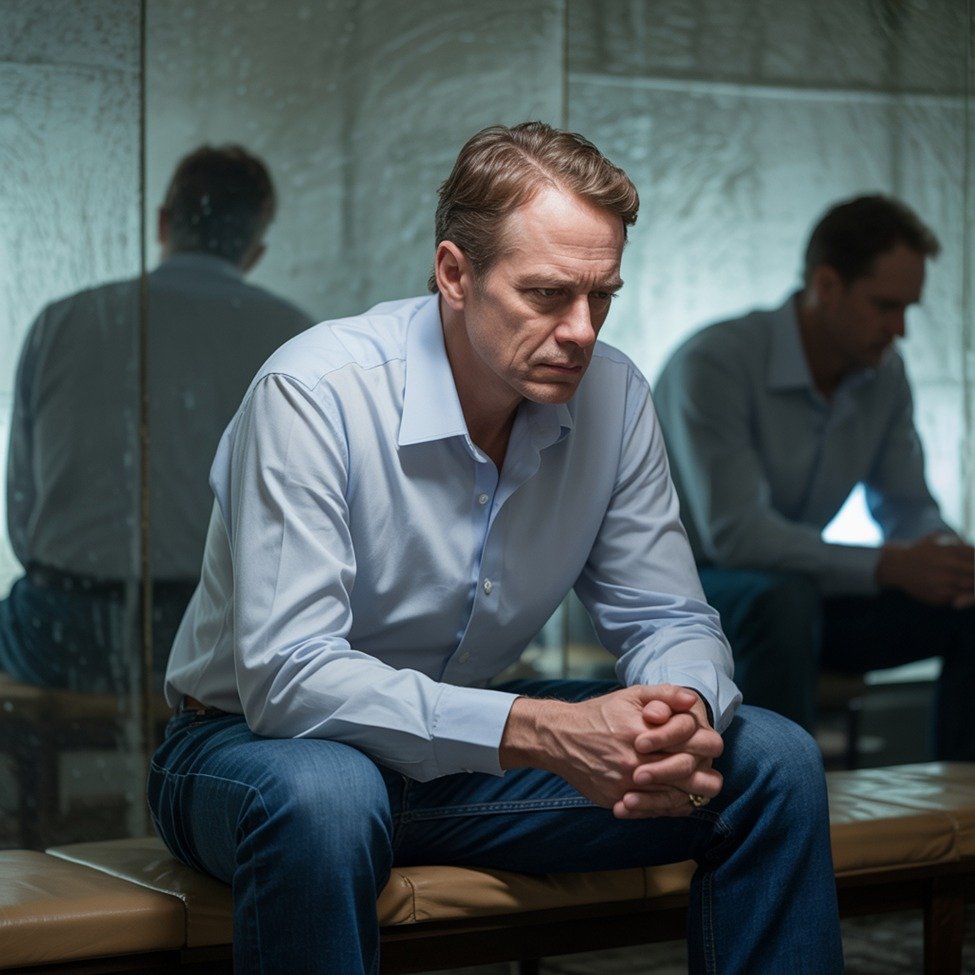
Men are often unspeakably thought of as power through silence, when in many cases pain is what is kept silent. Beneath the quiet face are scars from childhood, relationships or life’s heavy teats. Rarely do these wounds appear on the outside, but they shape how men think, love and live. Learning them is the beginning of learning to heal.
2. What Are Men’s Hidden Wounds?
Hidden wounds are silent emotional, psychological, or spiritual scars that men bear but seldom speak of. They don’t leave physical scars, like a broken limb or a gash across the forehead — but they can quietly shape how a man relates to himself, his family and the world.
Consider the man who cannot stop joking and never lets anyone in close, or the father who has always been there but is absent for anything real. On the surface, he appears “fine.” Inside, he may be carrying more pain than you ever knew how to express.
The Nature of Hidden Wounds
Invisible but powerful Hidden wounds can result from childhood neglect, relationship failures or never-ending money problems. They may be unseen, but they are there shaping a man’s choices, sense of self-worth, and even his faith.
Unrecognized pain – And there are many men who don’t know they are hurting. They’ll make emotional numbness, irritability or loneliness seem normal and “just part of living.”
Slowly layered over time — These injuries develop gradually. One disappointment may not be enough to destroy a man, but the failure of rejection or betrayal on unmet treaty terms can be like plowing deep furrows in the heart.
Why Men Struggle With Them in Silence
The same society conditions men to “be strong” and suppress how they feel. Boys are raised to hear, “Don’t cry,” “be a man” or “real men don’t show weakness.” These messages over time teach boys that silence is safer than vulnerability.
In African tradition — and in many cultures around the world — man is the family’s rock. Admitting hurt feels like failure. But that silence can also be damning, wearing away at relationships, happiness and even spiritual connection.
The Price of Dismissing Unseen Injuries
- Men internalize feelings until they emerge as anger, depression or addictions.
- There are families who live apart emotionally because something is broken in the communication or there’s tension and no one knows why.
- Faith can feel void when hurt that is unhealed becomes an obstacle between a man and God.
It’s not about branding men as weak because they suffer hidden wounds. It is about seeing the humanity behind their silence. Men bleed when cut, just like everyone else — but some bleeding is easier to see than the blood of heart and soul. The first step to heal is to name these wounds.
3. Why Do Men Stay Silent?

Men don’t like being silent just to carry pain around. Silence can be a strategy of survival. Culture, upbringing and their own fears all conspire against men sharing their struggles from childhood into adulthood. Let’s unpack the main reasons.
3.1 Cultural Expectations of Masculinity
Around the world — and particularly in traditional and African settings — boys are socialized early on that showing emotion is weakness. Phrases like:
- “Be strong.”
- “Boys don’t cry.”
- “Man up.”
Those words sound harmless, but they train men over time to suppress and stifle emotions rather than process them. Most women recognize that emotional buffers and the use of silence are their ways of coping with stress, but many men have simply learned to bury these emotions even deeper into their subconscious not because they’re truly strong, but because they’ve been conditioned to believe they’ll be taken for “less of a man.”
In places like Kenya, it’s not an uncommon experience for a young man to grow up hearing tales of fathers who suffered under poverty, betrayal or hardship — and then disappeared into themselves, never to speak of their pain. Proud to say nothing is the new cool. Yet in fact, this silence begets loneliness.
3.2 Fear and Weakness of Judgment
A husband who shares that he feels like a loser because he is out of work. Or a young guy confiding in his friends that he’s depressed. Too frequently, instead of listening we respond with:
- “You’ll be fine.”
- “Stop overthinking.”
- Or worse: mockery.
The fear of being misunderstood — or perceived as weak — is what keeps men from letting people know they’re in pain rather than trying to shoulder it themselves. But even among my close friends, it is a rare thing.
Such silence is also present in churches. Some men have a sense that if they admit to struggles with pornography, anger, or feelings of financial pressure in their marriages, then they’ll be shamed rather than supported. So they say nothing and hope no one notices.
3.3 Emotional Illiteracy
A lot of the guys just do not have the words to kind of articulate what they’re feeling.” They weren’t taught emotional vocabulary. Instead of telling and trusting me that they feel rejected or anxious, nothing is said — or they fly off the handle in anger.
This isn’t because they’re not smart, but because society offered them the skills to fix a car or build a house and never told them that naming an emotion is also a skill. Silence feels easier when you don’t have the right language.
3.4 Spiritual or Religious Misunderstandings
Faith is salvation — but it can also add pressure when misconstrued. Many men misunderstand verses like “Be strong and courageous” (Joshua 1:9) as a directive to suppress weakness.
They believe having a spiritual life means nothing bad ever happening to you. So, instead of confessing their sin, or grief, or fear, they keep it hidden. Others think if they would just pray enough and have enough faith, everything should be fixed; so when they still feel broken, they assume their faith must be weak.
But the Bible itself demonstrates men crying out in pain — David bared his soul in the Psalms, Job openly contended with suffering and Jesus wept. Silence is not holiness.
The Silent Weight Men Carry
When you combine these forces — culture, fear, languor in language and misused spirituality — it’s not hard to see why silence may feel safer than speech.
But silence is heavy. It doesn’t make wounds disappear. Instead, it deepens them. Like an untreated wound, unspoken pain can seep into every part of our lives — marriage, fatherhood, friendship and faith.
Breaking silence is hard. But it’s also the only way men can finally stop feeling like survival is all there is.
4. The Kinds of Secret Wounds Men Carry
Not all wounds look the same. Some have broken homes, some are from failed relationships, some are struggling financially or mourning the death of a loved one. What they all have in common, though is this: They cut deep and, when unspoken, influence how a man shows up at home with his family and out in the world — for better or worse.
Here are some of the most common invisible wounds men will bear:
4.1 Father Wounds
One of the most frequent and painful hidden wounds is inflicted by fathers.
Some were raised without fathers because of divorce, death or abandonment.
Others had fathers who were present but absent – quick to punish, slow with love.
Some were subjected to outright abuse or neglect.
💡 Case Study – Kenya:
There was a man in Nairobi who shared once with a men’s group he attended that his father never said, “I’m proud of you.” But after he graduated, got married and established a career, an inner hunger for affirmation persisted. His silence about that hurt seeped into his own parenting — he found it difficult to build up his kids because he didn’t quite know how.
Abba Wound There is something strong about a father wound because it impacts identity. A man who feels invisible to his father grows up longing for approval — from bosses, women or even church leaders.
4.2 Marital and Relationship Wounds
Romantic partnership is supposed to be joyful and loving, but when trust has been damaged, many men keep the wound quiet.
“A lot of cheating leaves very complex wounds that men are not really encouraged to admit.”
Men withdraw emotionally because of consistent conflict, disrespect, and lack of intimacy.
💡 Case study – USA
A married man in Texas confided during counseling that his wife’s affair had completely broken him. He never told his friends or family — he just began clocking longer shifts at work. Outwardly, he looked fine. Inside he struggled with feelings of worthlessness.
On the continent of Africa, people would keep rotting in toxic marriages just to be in even keel mode with their society and get spare when an early divorce would bring upon them disgrace. Silence becomes their survival tool.
4.3 Financial and Work-Related Wounds
For a lot of men, identity is connected to their work as providers. They are crushed when they lose a job, get into debt or cannot support their family.
Men in Kenya like to say, “If you want to know stress, look at a man with school fees due.” But behind the jest is genuine anxiety.
In Europe, economic slumps put many men out of work or in jobs that pay too little, undercutting self-respect.
💡 Case Study – Africa:
A father had his business taken by COVID-19 in Uganda. He could not afford rent or school fees. He didn’t let on to anyone, but he started drinking heavily to deal with it. He grew distant from his wife and children when he didn’t talk about the wound.
4.4 Childhood Trauma and Bullying
Childhood leaves lasting scars. Some were bullied in school, others suffered violence or neglect as children. These experiences inform how they trust people as adults.
💡 Case Study – Europe:
A UK man wrote that he used to be bullied because he was overweight as a child. Even as a successful professional with a wife and child in his 40s, he remained insecure about his own body. He kept this from his wife, but it turned up as an avoidant avoidance of intimacy.
In African settings, children who had been raised in strict homes were typically subjected to beatings or emotional neglect. A lot of men internalize it, but they don’t like it.”
4.5 Grief, Loss, and Untreated Trauma
Men grieve mightily, though seldom outwardly. The pain of losing parents, siblings or best friends often becomes a silent grief. Trauma from accidents, violence or war can also be suppressed for years.
💡 Case study — United States:
Years after a firefighter lost fellow crew members on the job in New York, he would acknowledge that he had never truly grieved. He repressed it, he said; I had to stay strong.” It led to nightmares, insomnia and broken relationships.
In Africa, there are so many men mourn the deaths of their parents, their wives and children quietly. Emotionally, funerals are full of feeling — but when the bodies are in the ground, men are supposed to “get over it.” Inside, the pain lingers.
The Common Thread
The sources of wounds differ, but silent is the thread through all. The absence of a father in Kenya, the betrayal and rejection of a wife in US, the financial struggles in Uganda; bullying in Europe and grief worldwide – all lead men towards hiding their pain instead of processing it.
But wounds you keep hidden don’t go away with quiet. They emerge in anger, depression, addictions or ruptured families. Calling them what they are is the first step toward healing.
5. The toll of hidden wounds on men and their families
Hidden wounds aren’t only felt by men on the inside — they ripple outward, into marriages and children, friendships and workplaces, even spiritual life. Silence feels like safety, but of course it’s searing away at every piece of a man’s world.
5.1 Mental Health Struggles
When pain is buried, it can reemerge as depression, anxiety or burnout.
Some men with invisible wounds complain of feeling tired or lacking motivation all the time.
Some grapple with a mysterious sadness or numbness.
When hope seems out of reach, suicidal thoughts may intrude.
💡 In Kenya, data indicates that extremely high male suicide rates are driven by economic pressures and the collapse of relationships. Most of these men never told anyone what they were going through.
5.2 Emotional Withdrawal
Withdrawal is a commonly held sign of unspoken pain. Men stop speaking, stop revealing, and stop showing up. Wives see their husbands get quiet at home, kids note that dads are distracted, friends pick up on distance.
This withdrawal is confusing: The families may assume the man doesn’t care, while in truth he’s drowning on the inside.
5.3 Anger and Aggression
Silence is not an erasure of pain, it’s a compression. And compressed pain eventually explodes.
Some guys are grumpy for no reason.
Others become manipulative, abusive or even violent.
They make anger their language of choice because sadness or fear feels to vulnerable.
5.4 Broken Relationships
Unresolved wounds to the child, spouse or business partner manifest as divorce, adultery and absentee parenting. When men don’t share, communication dies. Couples drift apart. Fathers are shadows in their own houses.
5.5 Spiritual Disconnection
Silence can even be a matter of faith for Christian men. Pain creates distance from God. Men cease to pray- feel unworthy- or ask themselves why God permitted them to suffer. Some leave church entirely.
But the truth of Scripture is: “The Lord is close to the brokenhearted and saves those who are crushed in spirit” (Psalm 34:18). God never required men to be healed in isolation.
6. Coping Mechanisms Men Commonly Use

Since men rarely open up to talk about their pain, many resort to maladaptive coping mechanisms which cover the wound rather than cure it.
6.1 Silence and Isolation
The initial instinct is usually to retreat. Men eschew conversation, bury themselves in housework or hide out in TV, sports or long hours at work. We would rather keep silent than confess vulnerability.
6.2 Addictions and Escapes
Others resort to alcohol, drugs, gambling or pornography. These are not pain-healing, but rather pain-narcotizing. Abuses inflict even more profound wounds — of shame, financial ruin and betrayal.
6.3 Overworking and Busyness
Work becomes a hiding place. A man may pick up an extra shift or bury himself in a project not because he likes work but because it helps him forget the hurt inside.
6.4 Toxic Masculinity Masks
Many men put on a mask to cover such pain:
- The Tough Guy – he is not scared, shows no feelings.
- The Provider Only – what it’s worth is exactly the same as how much money he has.
- The Playboy – needs validation from several women.
Read More – Conscious Parenting: A Practical Guide to Raising Emotionally Healthy Children
There is a wound left unhealed behind every mask.
7. Ways of Healing Men’s Hidden Wounds
Healing is possible. But it takes courage — and not the sort that insists on staying silent, but the kind of courage to open your mouth and ask for help, inviting God and community to rush in.
7.1 Breaking the Silence
Healing begins in being willing to name the wound. Conversing with a trusted friend or mentor, or counselor can open the door to freedom. Speaking up doesn’t erase masculinity — it strengthens it.
7.2 Therapy, Mentorship, and Brotherhood
Professional counseling allows men to process pain. Men’s communities, mentorship circles and brotherhood movements (Man Enough or The Crucible, for example) create spaces where men see that they’re not alone.
7.3 Faith and Spiritual Renewal
To behold the truth in Scripture, and experience its healing:
- Proverbs 31:8–9 urges us to “speak up for those who cannot speak for themselves.”
- James 5:16 reminds us: “Confess your sins to each other and pray for each other so that you may be healed.”
- Jesus Himself modeled vulnerability by weeping at Lazarus’ tomb.
Read More – Healing Father Wounds: Break Free and Find Peace
Prayer, Scripture and fellowship help men more deeply connect with God as Healer, not Taskmaster.
7.4 Rebuilding Healthy Relationships
Vital is talking honestly to one’s wife, children and friends. It may be a difficult confession to make for a husband — “I feel like I failed” — but it can inspire empathy, closeness and stronger connection.
7.5 Practical Self-Care for Men
Healing isn’t only emotional. It’s also practical:
- Journaling – writing feelings on paper.
- Physical activity – for reducing stress and enhancing mood.
- Rest – respecting limits.
- Healthy hobbies – music, sports, volunteering.
7.6 Real-Life Testimonies
💡Case Study – South Africa: A man who struggled with alcoholism following the loss of his job eventually became part of a church men’s group. He talked openly for the first time about his father’s rejection. From then on that’s when he turned around—his healing had started after the silence.
8. Women, Families, and Communities in Men’s Healing
Men don’t heal alone. Silence there isn’t something brand new or strange, though for wives, children and communities it can either make silence heavier — or help break it.
- Wives and Partners: Rather than shame men as silent, create safe spaces with empathy, patience and gentle inquiry.
- Children: Small acts of love as they get older, such as a hug from a child, remind fathers that they’re valued.
- Churches and Communities: Preach openly about men’s problems. Normalize counseling. Encourage brotherhood.
- Workplaces: Men need mental health programs, not just performance goals.
Read More – Why Men Bottle Up Emotions and How to Break the Silence
When families and communities listen without judgment, men discover that coming forward is a sign of strength, not shame.
9. Hope Beyond Silence: The Why Healing Matters
Invisible ones can feel permanent, but they heal. Men who shatter silence find freedom. Marriages are restored. Fathers reconnect with children. Communities grow healthier.
Silence isolates, but healing unites. And when men prosper, societies prosper — because strong men make for a strong nation and strong nations make for a safe world.
Remember: It doesn’t have to be the last word. Healing can be.
10. Frequently Asked Questions
10.1 What do you mean by hidden wounds in men?
They are burdens that are emotional, psychological or spiritual — stuff men walk around with quietly: the father wound, money stress, grief and trauma.
10.2 How do I know if a man is quietly battling?
Look for withdrawal, irritability, addictions or a drastic change in normal behavior.
10.3 Why don’t men open up about pain?
There’s cultural expectation, fear of judgment, the absence of an emotional vocabulary, misunderstanding religion.
10.4 How can we begin to heal the hidden wounds?
Admittedly the wound, talking with a friend, and looking for help in counseling or spiritual help.
10.5 What more can wives/partners do to support men?
By not judging, empathizing and promoting open conversation rather than imposing solutions.
10.6 Is wanting to see a (therapist) (counsellor)̨indicative of being feeble minded?
No. It is an act of strength — the choice to heal instead of to stay silent.
10.7 How does faith contribute while growing up from emotional injuries?
Faith provides hope, Scripture provides truth and prayer invites God’s healing presence to broken areas.
10.8 What Services Are Available to Men in Africa?
Support groups, religious-based men’s fellowships, peer mentorship and counseling.
10.9 What can communities do to overcome the stigma around men’s mental health?
By making normal the act of talking, educating leaders and establishing spaces where men aren’t mocked for appearing vulnerable.
10.10 Can there ever be healing of covert wounds?
Yes. Over time, and with support and God’s grace, men can progress from silence and suffering to healing and peace.


3 thoughts on “When Silence Speaks Loudest: Understanding Men’s Hidden Wounds”